Combat & Game Mechanics
Steps & heart rate
into fantasy combat
Most fitness apps treat daily movement as a dry chore. Discover how walking RPGs transform pedometer steps into projectile volleys and use real-time heart rate zones to power intense sword duels—all completely screen-free.

Beyond passive tracking
The missing piece in walking apps: Real stakes
For decades, fitness trackers have offered the same fundamental feedback: a circular progress ring, a numerical step count, and a graph of calories burned. While this information is clinically useful, it rarely creates emotional resonance. When your only reward for walking 10,000 steps is watching a digital bar close, motivation tends to erode after a few weeks.
In contrast, classic role-playing games keep players immersed for hundreds of hours because every action serves an immediate, dramatic purpose. You are not merely accumulating points—you are defending a mountain pass, exploring uncharted ruins, or overcoming a fearsome enemy standing between you and the next outpost.
A true walking RPG merges these two worlds. Instead of asking you to stare at abstract analytics, it channels your physical exertion directly into active combat mechanics. But how does real-world movement translate into tactical fantasy battles?
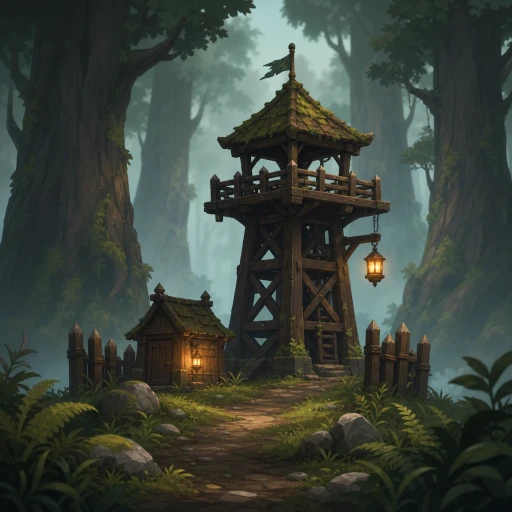
Ranged & Arcane Weapons
Step-powered combat: Turning daily walks into projectile volleys
Not all physical activity is high intensity, and it shouldn't be. Daily walks, commuting, walking the dog, or pacing during phone calls represent what exercise physiologists call NEAT (Non-Exercise Activity Thermogenesis). In Fantasy Walk, this steady, gentle volume fuels step-based weaponry:
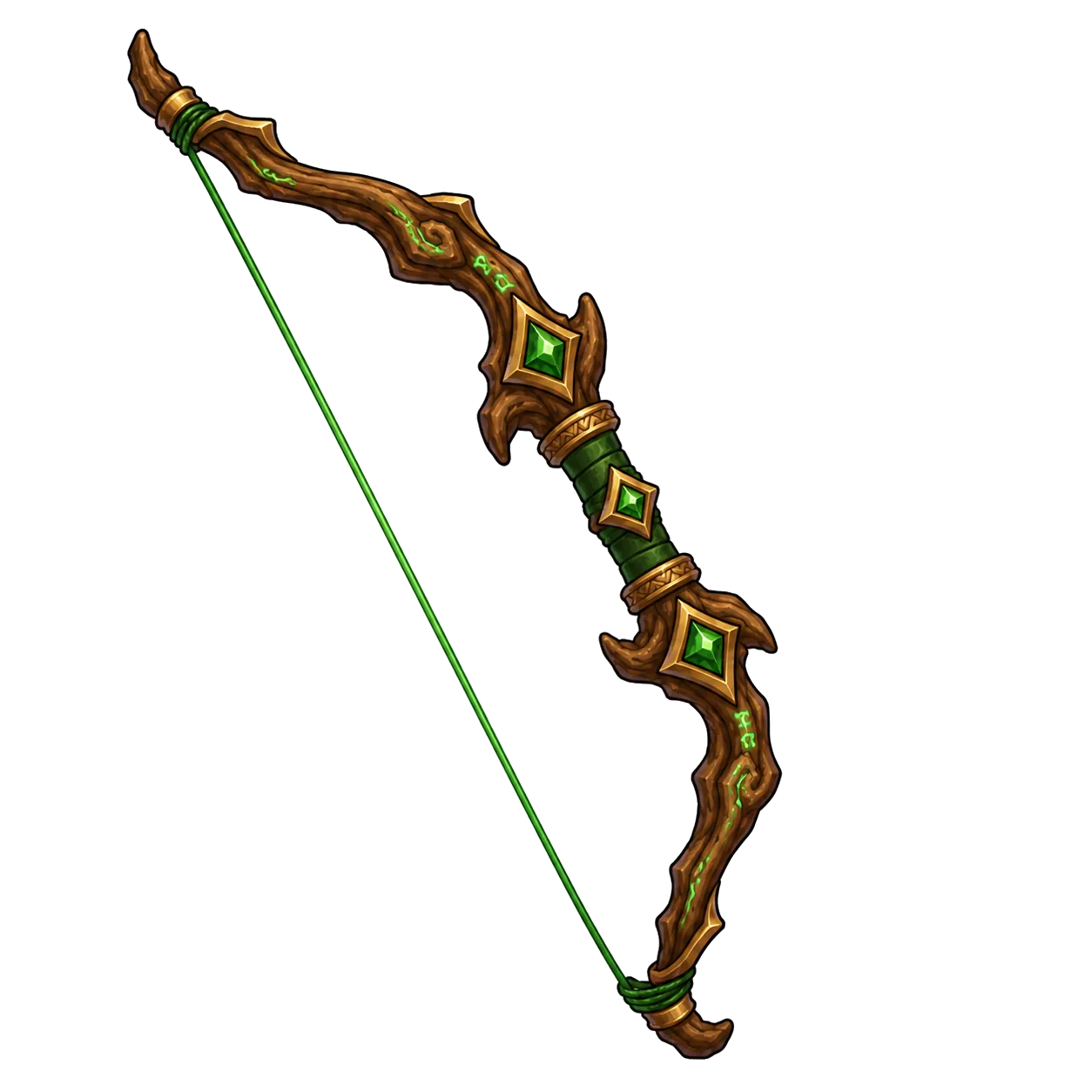
Bows & Crossbows
Each physical step charges your quiver. Reaching step milestones looses animated volleys that chip away at the monster's vitality.
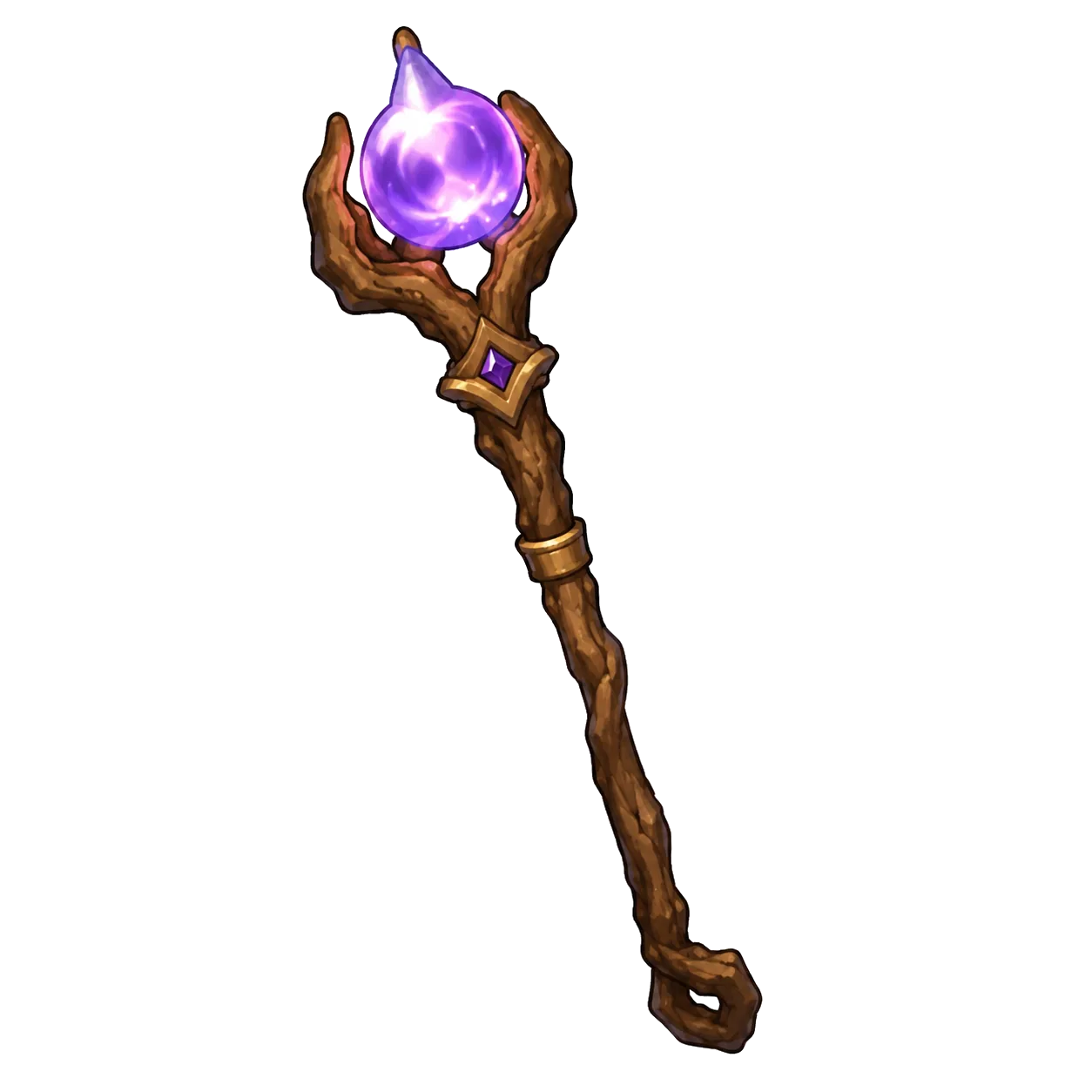
Staves & Arcane Magic
Pedometer movement channels mystical energy, releasing arcane orbs that strike hostile creatures across the encounter distance.
How the step mechanic works in-game:
- Dynamic Step Thresholds: When an encounter spawns (such as a Mountain Troll or Harbor Bandit), the monster possesses a set amount of health points represented by heart containers.
- Automatic Step Conversion: The game divides the enemy's total health into step segments. For example, a mid-level monster might require 800 to 1,500 steps to defeat. Every chunk of steps completed automatically deals damage.
- Zero Manual Tapping: You don't tap the screen while walking. Your phone's pedometer logs your steps quietly in your pocket. When you next view the battle screen, you see your weapon recoil and fire animated projectiles corresponding to your completed walk.

Melee Weapons & Health Connect
Heart rate combat: Powering sword duels with target pulse zones
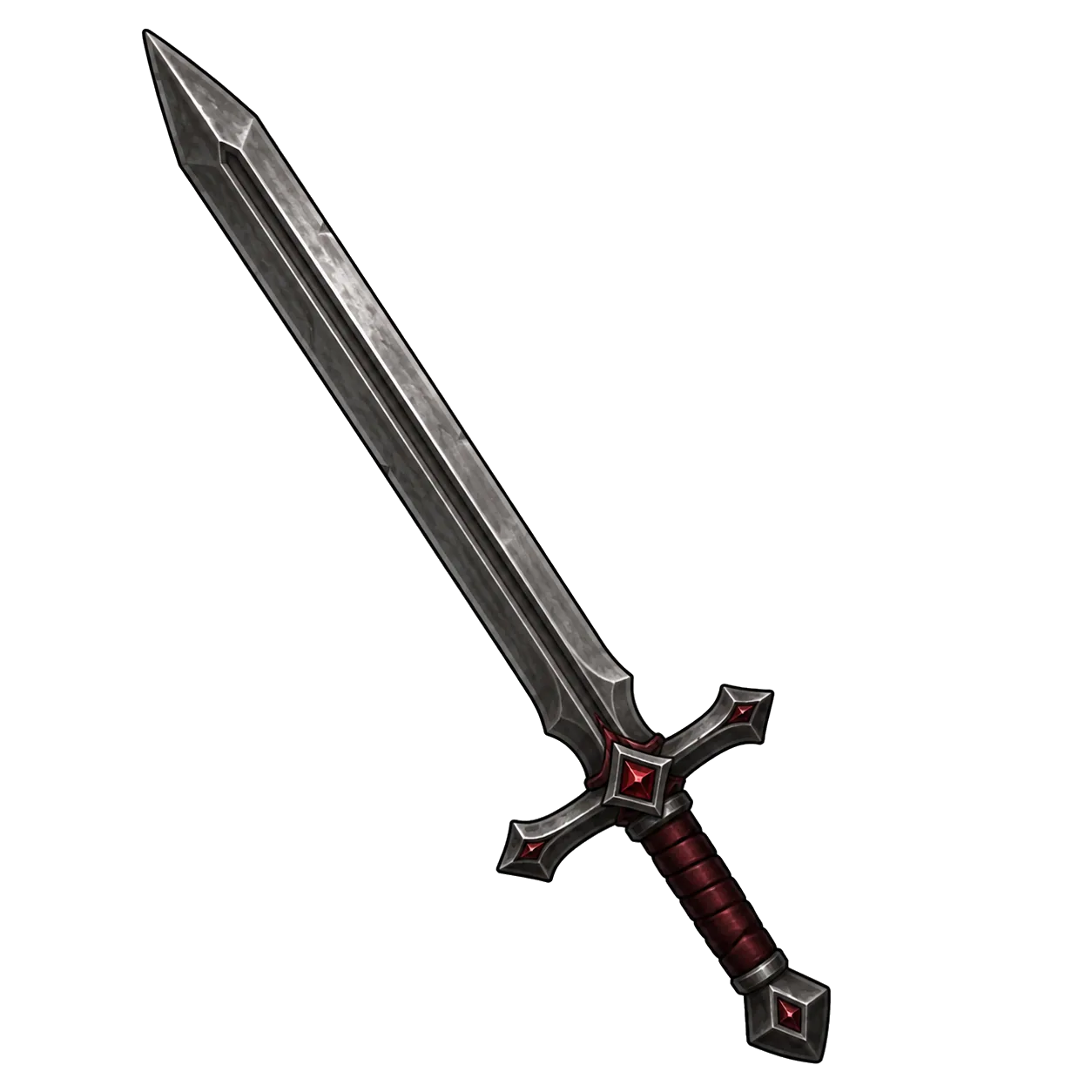
While steady walking is the foundation of daily health, higher-intensity movement provides vital cardiovascular conditioning. Fantasy Walk introduces a pioneering feature rarely seen in mobile walking games: heart-rate-driven melee combat.
When you equip close-quarters weapons—such as the Iron Sword or Desert Saber—steps alone will not harm the beast. Heavy monsters require the raw adrenaline and stamina of melee engagement. Here is how it functions:
- Required Heart Rate (BPM): A minimum pulse threshold (e.g., 110 BPM or 120 BPM) that reflects elevated physical exertion (Zone 2 cardio or brisk power-walking).
- Required Training Duration: The number of cumulative minutes (e.g., 3 to 10 minutes) you must sustain at or above that target pulse to defeat the opponent.
How heart rate data is captured
Through modern health platforms like Google Health Connect, Fantasy Walk reads background heart rate samples collected by your smartwatch or fitness band (Wear OS, Garmin, Fitbit, Pixel Watch, Samsung Galaxy Watch, etc.).
Each minute your measured heart rate reaches or exceeds the monster's required threshold, you land a critical blow. If your pulse drops back into resting territory (e.g., during a rest stop), the monster endures no damage until your heart rate rises again. You can see your exact timestamps, average pulse, and hit chronology in the in-game combat log.
Ergonomics & Safety
Screen-free battles in your pocket: Why you shouldn't fight on the trail
Many augmented-reality games (such as Pokémon GO or Monster Hunter Now) require players to hold their smartphone in front of their eyes, tapping frantically or swiping on screen while standing on public sidewalks or forest trails. This creates three severe problems:
| Aspect | AR / Screen-Tapping Games | Fantasy Walk (Pocket-First) |
|---|---|---|
| Safety & Awareness | Distracted walking; eyes glued to screen near roads and obstacles. | Phone remains safely tucked in your pocket. Full situational awareness. |
| Battery Consumption | Extreme drain: GPS, 3D rendering, and maximum screen brightness. | Minimal drain: Hardware step counters and periodic smartwatch sync. |
| Workout Flow | Interrupts physical rhythm every 200 meters to fight or swipe. | Uninterrupted movement. Complete your walk or run at your own pace. |
| Immersion in Nature | Disconnects you from your real-world environment. | Allows you to enjoy fresh air, scenery, audiobooks, or conversation. |
In Fantasy Walk, the combat simulation evaluates retroactively when you arrive back at your desk, home, or resting bench. You open the app to discover whether your morning commute was enough to vanquish the road bandit, inspect the exact minute the decisive strike occurred, and harvest your rewards.
Strategic Gameplay
Tactical loadouts: Matching your weapons to your daily routine
Because Fantasy Walk supports distinct weapon archetypes, you can tailor your active loadout to match your daily schedule:
- The Casual Walk Day (Bows & Magic): Running errands around town, shopping, or taking casual strolls with a friend? Equip an Elven Bow or Magic Staff. Your low-intensity steps will steadily pelt monsters without requiring high heart rate peaks.
- The Cardio / Trail Day (Swords & Sabers): Heading out for a brisk power-walk, an uphill nature hike, a run, or an indoor cycling/treadmill workout? Equip an Iron Sword. Your elevated pulse will melt high-tier monster health bars in minutes.
- Class Synergies: Choosing the Warrior class provides built-in combat mastery: warriors gain a 15% step reduction on step-based battles and reduce melee heart rate requirements by 1 full training minute, making tough bosses manageable even during shorter workouts.

Rewards & Economy
Battle chronicles, defeat timestamps, and rolled loot
Defeating a hostile encounter is not just an empty victory screen. Every fallen beast feeds into Fantasy Walk's broader game economy:
- Rolled Loot Tables: Defeated creatures drop region-specific materials—such as rare monster teeth, pelt fragments, crafting herbs, and gold coins.
- Village Quest Boards: Local settlements (like Moss Village in the Ancient Forest or Reed Harbor on the Coast) post regular bounty quests. Delivering monster trophies earns reputation, unlocking advanced tracks and rare equipment.
- Combat Chronicle: Every battle records a detailed chronicle showing your step progression, heart rate timeline, and the exact timestamp of victory. It functions as both a gaming achievement and an authentic fitness log.
Cardiorespiratory Physiology
The exercise science: Why combining steps and heart rate matters
From a sports science perspective, the dual-combat model aligns perfectly with current cardiovascular health guidelines established by the World Health Organization (WHO) and the American College of Sports Medicine (ACSM):
- Baseline Non-Exercise Movement (NEAT): Accumulating 7,000 to 10,000 steps daily reduces all-cause mortality, improves insulin sensitivity, and counteracts the metabolic harms of prolonged sitting.
- Moderate-to-Vigorous Physical Activity (MVPA / Zone 2 Cardio): Raising the heart rate above baseline (typically 60–70% of maximum heart rate) for 150 minutes per week strengthens heart stroke volume, mitochondrial density, and arterial elasticity.
By pairing step counters (ranged weapons) with target heart rate monitoring (melee weapons), a walking RPG encourages both gentle daily volume and occasional brisk intervals—transforming exercise science into engaging fantasy progression.
Common questions
Frequently asked questions
How do steps deal damage in a walking RPG?
When wielding step-based weapons such as bows, crossbows, or magic staves, every physical step you take charges projectile volleys or arcane spells. As you reach required step thresholds during your daily walking routine, attacks hit the monster and deplete its health points.
How does heart rate combat work?
Melee weapons like swords, sabers, and axes require cardiovascular intensity rather than step volume. Monsters demand a target pulse (e.g., 110 or 120 BPM) for a set number of training minutes. Each minute your smartwatch or fitness tracker measures your heart rate at or above this threshold, you land a direct strike on the enemy.
Do I have to look at my phone or tap buttons during combat?
No. Fantasy Walk uses a pocket-first, screen-free design. You keep your phone in your pocket or track activity via your smartwatch. Movement and heart rate data sync seamlessly in the background. Once your walk or workout is complete, you can open the app to watch the animated combat summary, review timestamps, and claim your loot.
Do I need a smartwatch to play Fantasy Walk?
No smartwatch is required for step-based combat (bows, crossbows, magic spells). Your phone's built-in step sensors handle all step tracking. However, if you equip melee weapons that require heart rate zones, a compatible smartwatch or fitness band connected via Google Health Connect provides the pulse data.
What happens if a monster expires before I finish the steps or workout?
Active encounters feature an expiration timer reflecting the monster roaming the wilderness. If the timer elapses before the required steps or training minutes are met, the creature flees. No permanent penalty occurs; your hero remains safe on the trail, and you can re-engage new encounters on subsequent walks.
Ready for step-powered adventure?
Turn every walk into a fantasy quest
Join the Fantasy Walk community on Android. Equip your hero, choose your weapons, and turn every daily stroll or power-walk into gold, gear, and glorious battle victories.


Explore further
Continue reading
What is a walking RPG? The comprehensive beginner's guide
Screen-free walking: How to gamify steps without staring at your phone
References & scientific background
- Bull, F. C., et al. (2020). World Health Organization 2020 guidelines on physical activity and sedentary behaviour. British Journal of Sports Medicine, 54(24), 1451-1462. Highlights the distinct cardiovascular benefits of combining high daily step volume with moderate-to-vigorous physical activity (MVPA).
- Seiler, S. (2010). What is best practice for training intensity and duration distribution in endurance athletes? International Journal of Sports Physiology and Performance, 5(3), 276-291. Documents the physiological adaptations of sustained Zone-2 cardiovascular training.
- Patel, M. S., et al. (2021). Effect of Behavioral Economics-Framed Gamification on Daily Step Count: A Randomized Clinical Trial. JAMA Network Open / Circulation. Demonstrates how immediate playful feedback and micro-goals dramatically enhance physical activity adherence compared to passive monitoring.
- Levine, J. A. (2002). Non-exercise activity thermogenesis (NEAT). Best Practice & Research Clinical Endocrinology & Metabolism, 16(4), 679-702. Explores how regular low-intensity ambulation regulates metabolic expenditure and health longevity.